
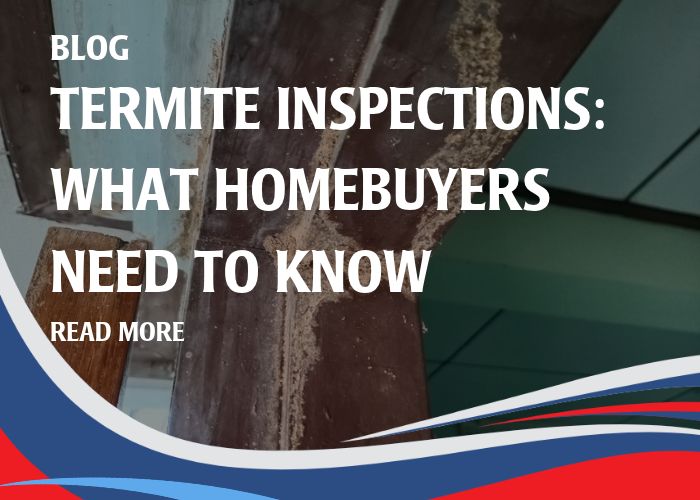
Termite Inspections: What Homebuyers Need to Know

Featured Blogs
Mold Testing vs. Mold Inspections: What’s the Difference?
Radon Testing in Illinois: What Homeowners and Buyers Need to Know
11-Month Warranty Inspections Explained
Final Walkthrough Inspections Explained
Pre-Drywall Inspections Explained
When purchasing a home, it’s easy to focus on the things you can immediately see: the roof, foundation, electrical system, plumbing, and interior finishes.
But some concerns aren’t nearly as obvious.
Termites and other wood-destroying organisms can damage structural wood and other cellulose-based materials, sometimes without noticeable signs in the home’s living areas.
A professional termite or wood-destroying organism inspection can help identify visible evidence of activity or damage and give buyers valuable information before purchasing a property.
What Is a Termite Inspection?
A termite inspection is a visual evaluation of accessible areas of a property for evidence of termites and other wood-destroying organisms.
Depending on the type of inspection being performed, the inspector may look for signs of:
- Active termite activity
- Previous termite activity
- Visible wood damage
- Mud tubes
- Wood-destroying insects
- Conditions that may contribute to infestation
- Evidence of previous treatment
Because termites can remain hidden within walls, floors, and other inaccessible areas, the inspection focuses on conditions and evidence that are visible and accessible at the time of the inspection.
What Are Wood-Destroying Organisms?
Although homeowners often refer to these evaluations simply as “termite inspections,” termites aren’t the only organisms capable of damaging wood.
A wood-destroying organism, or WDO, inspection may evaluate for evidence of several organisms that can affect wood within a structure.
Depending on the property and geographic area, these may include termites and certain other wood-destroying insects or organisms.
That’s why you may hear the terms termite inspection and WDO inspection used during a real estate transaction.
What Are Signs of Termite Activity?
Termites can be difficult for homeowners to identify because much of their activity may occur in concealed areas.
However, inspectors look for visible evidence that may indicate current or previous activity, including:
- Mud tubes along foundations or other surfaces
- Damaged or deteriorated wood
- Wood that appears hollow or weakened
- Discarded wings
- Evidence of termite shelter tubes
- Previous treatment evidence
- Areas where wood is in direct contact with soil
The presence of one of these conditions does not necessarily tell the entire story, which is why professional evaluation can be valuable.
Where Do Inspectors Look for Termites?
Inspectors evaluate accessible areas where signs of wood-destroying organisms are most likely to appear.
Depending on the home’s construction, these areas may include:
- Basements
- Crawlspaces
- Foundations
- Floor framing
- Sill plates
- Exterior walls and trim
- Garages
- Decks and porches
- Areas around plumbing penetrations
- Other accessible wood components
Inspectors may also identify conditions around the property that could make it easier for termites or other wood-destroying organisms to affect the structure.
What Conditions Can Contribute to Termite Activity?
Termites need certain environmental conditions to survive, and moisture is often an important factor.
Conditions that may increase the potential for termite activity include:
- Wood-to-soil contact
- Excessive moisture around the foundation
- Plumbing leaks
- Poor drainage
- Damp crawlspaces
- Wood debris near the home
- Vegetation or landscaping that limits visibility around the foundation
Correcting these conditions can be an important part of protecting the property from future problems.
Is a Termite Inspection Included in a Home Inspection?
A standard home inspection and a termite or WDO inspection are separate services.
During a home inspection, an inspector may observe visible damage or conditions that raise concerns about wood-destroying organisms. However, a dedicated termite or WDO inspection is specifically focused on identifying evidence associated with these organisms.
Buyers who want this additional evaluation should ask about adding a termite or WDO inspection when scheduling their home inspection.
What Happens If Termites Are Found?
Finding evidence of termites doesn’t automatically mean you should walk away from the home.
The next step depends on what is discovered.
If evidence of active infestation, previous activity, or damage is identified, additional evaluation or treatment by an appropriate pest-management professional may be recommended.
Any visible structural damage may also require further evaluation to determine the extent of repairs needed.
For buyers, the important thing is having this information before moving forward with the purchase.
Can a Home Have Termites Without Visible Damage?
Yes.
Termites can travel and feed in concealed areas, which means activity may not always be visible during an inspection.
Like a standard home inspection, a termite inspection is a visual evaluation of accessible areas. Walls, flooring, insulation, stored belongings, and other materials can limit what an inspector is able to observe.
A termite inspection cannot guarantee that hidden activity does not exist, but it can identify visible evidence and conditions that may warrant further evaluation.
Do Newer Homes Need Termite Inspections?
Age alone does not determine whether a property could experience termite activity.
Newer homes can still have conditions that allow termites or other wood-destroying organisms to reach the structure.
For buyers, the decision to obtain a termite inspection should be based on the property and their individual circumstances rather than simply the age of the home.
Why Termite Inspections Matter for Homebuyers
Buying a home comes with enough surprises. Hidden wood damage doesn’t need to be one of them.
A termite or WDO inspection provides another layer of information about the property and may identify concerns that aren’t obvious during an ordinary walkthrough.
When combined with a professional home inspection and other appropriate environmental or specialty services, buyers can develop a more complete understanding of the property before closing.
Schedule Your Termite Inspection
At About Your Property Inspection, we help buyers throughout Northern Illinois better understand the properties they’re preparing to call home.
Our termite and wood-destroying organism inspections evaluate accessible areas for visible evidence of activity, damage, and related concerns so you have more information before making one of life’s biggest investments.
Contact us today to schedule your termite inspection or add it to your upcoming home inspection.
Frequently Asked Questions
Is a termite inspection the same as a home inspection?
No. A standard home inspection evaluates the property’s major systems and components. A termite or WDO inspection specifically focuses on visible evidence of wood-destroying organisms and related damage or conditions.
What is the difference between a termite inspection and a WDO inspection?
“Termite inspection” is a commonly used term, while a WDO inspection may encompass additional wood-destroying organisms beyond termites. The exact scope depends on the service being performed.
Can termites be present even if I don’t see any damage?
Yes. Termite activity can occur in concealed or inaccessible areas. A professional inspection looks for visible evidence of activity and conditions associated with wood-destroying organisms.
Does finding termites mean I shouldn’t buy the house?
Not necessarily. Termite activity and damage can often be treated or repaired. Buyers should understand the findings, determine whether additional evaluation is needed, and discuss their options with the appropriate professionals involved in their transaction.
Should I get a termite inspection on a newer home?
A newer home can still experience termite activity. The age of the home alone does not determine whether a termite or WDO inspection may be beneficial.
Explore the Latest Updates
Stay informed with helpful articles covering home inspections, commercial properties, environmental services, maintenance tips, and expert guidance to help you make confident property decisions.
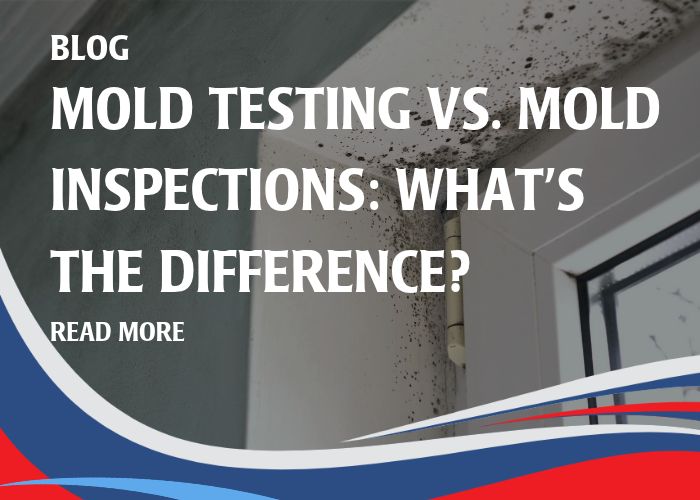
Mold Testing vs. Mold Inspections: What’s the Difference?

Radon Testing in Illinois: What Homeowners and Buyers Need to Know